
Interpretive Direction
Interpretive planning starts with “Why.”
Great interpretation doesn’t happen by chance. It grows from clarity.
Before a single exhibit is designed or a single program is scheduled, strong interpretive systems begin with a clear answer to one question: What is interpretation here to accomplish?
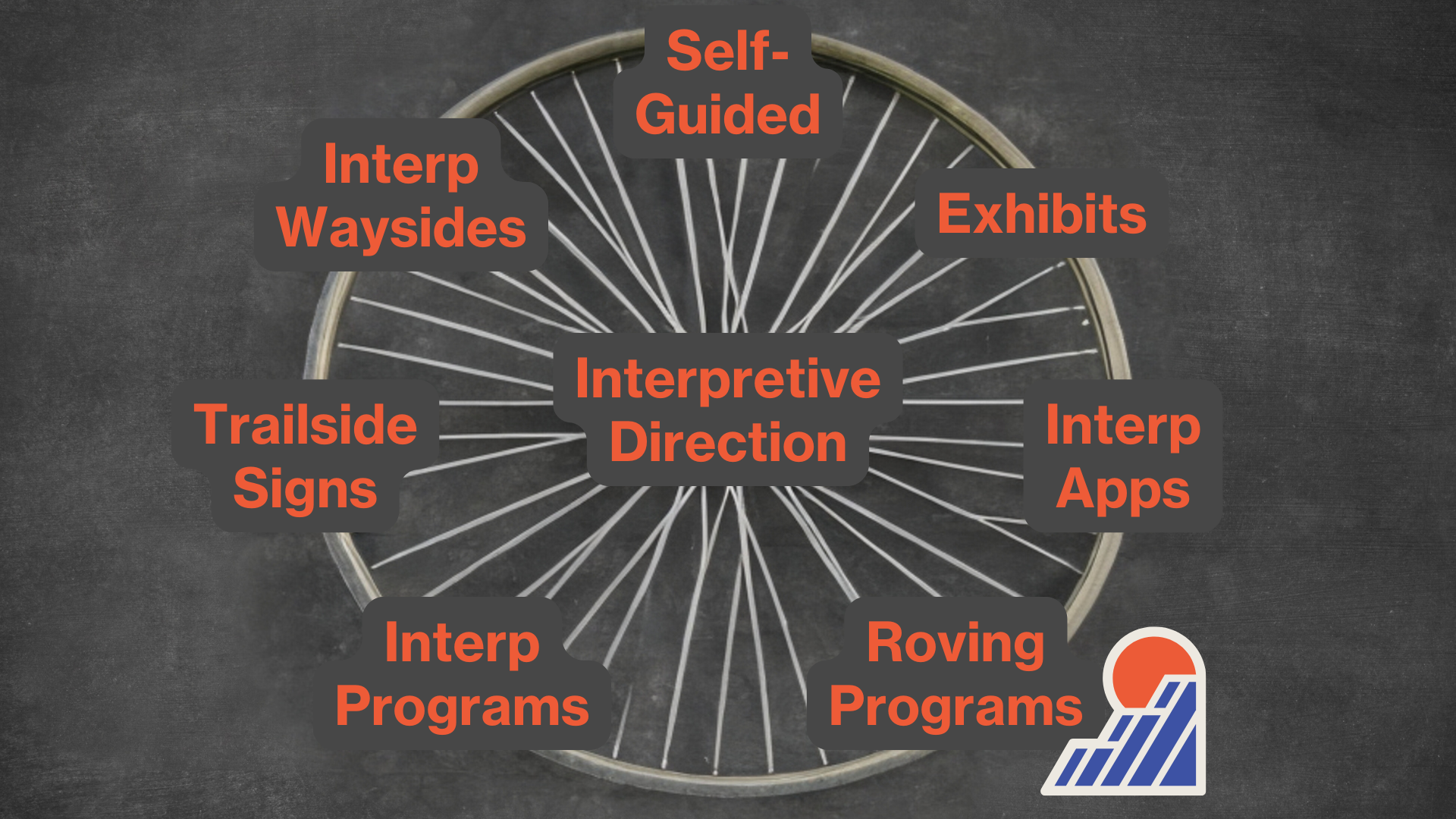
Like the hub of a bicycle wheel, interpretive products and programs only work when they are anchored to a strong center. That center isn’t just a collection of themes — it’s a clearly defined purpose that connects interpretation directly to your organization’s mission.
Start with an Interpretive Purpose Statement
Before developing an Interpretive Master Plan, we begin by defining the purpose of interpretation within your organization. Your mission explains why your organization exists—your interpretive purpose explains how interpretation advances that mission.
A strong interpretive purpose statement:
Draws a direct line between interpretation and your organizational mission.
Clearly defines the distinctive role interpretation plays.
Articulates the methods interpretation uses that other departments do not.
Interpretation is not simply messaging. It is a deliberate, structured, place-based way of advancing your mission through facilitated experience.
When this purpose is clear, everything else becomes easier. Program evaluation, staffing decisions, budgeting conversations, and strategic priorities all align around a shared understanding of interpretation’s role and value.
This clarity is especially important when communicating with senior leadership, boards, and elected officials. A well-crafted purpose statement makes interpretation’s contribution unmistakable and defensible.
Build the Interpretive Master Plan on That Foundation
Once purpose is defined, the Interpretive Master Plan becomes the blueprint. These thematic statements capture why your site is unlike anywhere else in the world. They articulate your core stories and guide every exhibit, wayside, and program. The master plan becomes the structural framework — the spokes extending from the hub. From there, strategy moves into action.
Translate Purpose into Programming
A strategic annual programming calendar helps turn purpose into lived experience. By highlighting key themes and aligning them with your interpretive goals, you create a clear through-line visitors can recognize and remember. Planning around thematic pillars also allows you to design outreach and programming that engages underrepresented communities in authentic and meaningful ways. The NPS Annual Service-wide Themes highlight the most critical elements of their mission.
Coordinating programs, outreach, and initiatives around shared priorities helps your team manage time and resources more effectively. With everyone working from the same roadmap, staff energy goes where it matters most.
When interpretive direction is clear:
Programs feel purposeful rather than reactive.
Outreach reflects mission rather than convenience.
Evaluation measures impact, not just attendance.
Ultimately, cohesive interpretive direction brings focus, flexibility, and momentum to your work. It strengthens your site’s identity and builds trust with every visitor you serve.
Closing
Interpretation has the power to transform how people understand and value your site. But that power is strongest when it is intentional.
If your team is ready to clarify the role interpretation plays in advancing your mission — and build a roadmap that brings that purpose to life — we’d be glad to walk that journey with you.